Your Home Can Survive a Wildfire
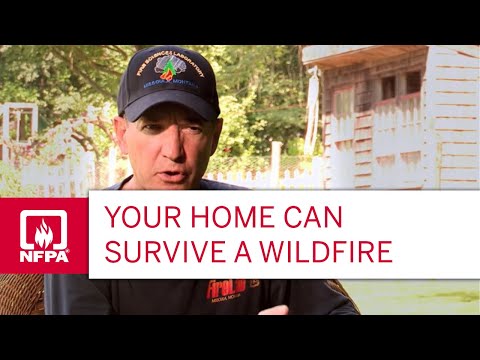
NFPA’s own explainer on why embers, not flames, are what actually take most homes down.

Wildfires have destroyed well over 130,000 homes and structures across the U.S. in recent years, and fire mitigation isn’t optional anymore. That can mean straightforward defensible space cleanup, or it can mean a full landscape transformation that adds real value, safety, and usability to the property. Finding the right people for mountain work in Brian Head, Duck Creek Village, or Beaver Canyon isn’t always easy, and it matters even more right now with so many families rebuilding. These mountains are our home base too. Let’s talk.
Serving Utah’s mountain regions
Every project starts with the same walk of the property. Where it goes from there depends on what you need.
Clearing brush, ladder fuels, and dead vegetation zone by zone, the groundwork every property needs before anything else gets built.
Full property planning: planting plans, grading, and water-efficient design suited to mountain and high-desert terrain.
Natural boulder and decorative rock placement that shapes slopes and yard layout while doubling as a noncombustible buffer.
Engineered structural walls that manage uneven terrain, stop erosion, and turn a slope into usable yard space.
Durable, hand-fitted flat stone for patios, steps, and walkways that hold up to mountain freeze-thaw cycles.
Interlocking concrete or brick paver surfaces for driveways, patios, and outdoor living areas built to last.
Not sure which one fits? Let’s talk.
Defensible space is a managed buffer, up to 100 feet or out to the property line, surrounding a structure. By managing vegetation, clearing combustible material, and adjusting landscaping within it, this buffer lowers radiant heat and keeps a surface fire from turning into a structure fire. It works in three zones, moving outward from the house.
The most critical zone to harden. This is the area most vulnerable to flying embers.
The goal here is to interrupt the fire’s path and remove ladder fuels, the vegetation that lets a ground fire climb into the tree canopy.
This outer ring slows a wildfire down and reduces its heat well before it ever reaches the home.
This follows the same defensible space zone framework used by Firewise USA® and the Insurance Institute for Business & Home Safety (IBHS). Download the printable checklist →
Defensible space isn’t a single job you finish and forget. It’s three steps: figure out where the property stands, decide what work gets done and who does it, and keep up with it after.
There are plenty of tools available to help assess a property: walk it yourself using the zones above, work through the checklist, or use one of the wildfire risk apps out now. If you’re not around, or you’d just rather have a professional set of eyes, we’re glad to help with that.
Utah’s HB 48 also means a lot of properties are now sitting in a state-designated high-risk zone, which comes with its own restrictions, and some benefits worth knowing about. You can check where a property stands at the state’s own portal, wildfirerisk.utah.gov.
What needs to be done, and what’s the priority? Some of that you can tackle yourself, some you’d rather hand off. Compliance & Mitigation is fuel reduction and ember-resistant hardening, done right. Landscape Remodel takes it further: stonework, terracing, outdoor living space, built around the same clearing. Either way, we can talk rough numbers or give you a detailed quote, then put a plan in place to get it done. You can do it. We can do it for you. Or we can do it together. Usually, the third one wins.
Preparedness requires ongoing maintenance, figuring out what needs to be done on a regular basis. Whether you live there full time or just show up when you can, someone has to do the work. Whether that’s prepping for winter, clearing out before fire season hits in the spring, or anything else the property needs, we can handle it. You need a plan, and we’d love to be part of it.
NFPA’s own explainer on why embers, not flames, are what actually take most homes down.

A look inside IBHS’s live wildfire demonstration lab, the science behind why some homes burn and others don’t.
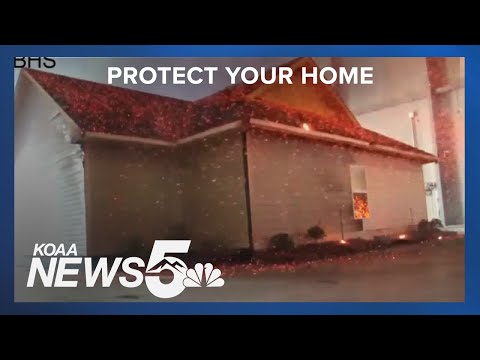
Southern Colorado researchers, funded by the insurance industry, on what better fire-risk reduction means for homeowners.
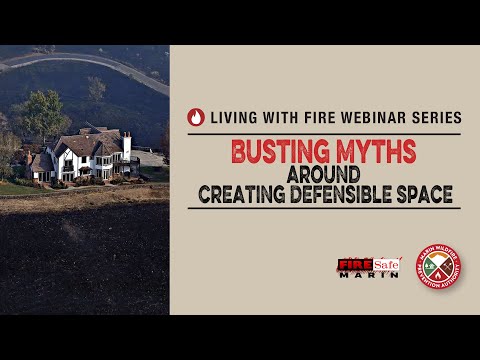
A career fire chief on the defensible space myth that costs homeowners the most, straight from the webinar series.
Sources: Firewise USA® / National Fire Protection Association, Insurance Institute for Business & Home Safety (IBHS), KOAA 5 News, Fire Safe Marin. Shared here for education, not endorsement.
Tell us what’s going on with the property, a little cleanup, a full transformation, or you’re not sure yet, and we’ll figure out the right next step together.
Thanks, that’s in. We respond within two business days, sooner if there’s active fire or storm activity in your area.